The Midyear Reset: Use Game Data to Plan January
The fall semester ends in a blur.
Grades are due. Final assessments pile up. Students are counting down to winter break. And somewhere between cleaning out your inbox and shutting down your projector, a familiar thought appears:
"I'll really fix this in January."
Good news: January is the perfect reset point — and you already have everything you need to plan it well. If you've used game-based learning this fall, your midyear planning just got easier. Your game data holds the answers.
If you've used games, quick checks, or low-stakes practice this fall, you're sitting on a goldmine of actionable learning data. Research on low-stakes formative assessment shows that frequent, low-pressure checks reveal learning gaps more accurately than high-stakes tests.
The key is knowing how to turn that data into a smarter start after winter break.
If you've used BrainFusion this fall, your game data is already waiting. If you haven't, you can start tracking your review data today with a free account.
Why Midyear Is the Best Time to Rethink Instruction
Back-to-school planning gets all the attention, but midyear planning is often more powerful.
Here’s why January matters:
- You already know your students
- Classroom routines are established
- Engagement patterns are clear
- Skill gaps are visible (not hypothetical)
Instead of guessing what students need, you can respond directly to what the data shows.
Game-based learning makes this especially effective. A systematic review of game-based assessment research highlights how educational games capture detailed, question-level performance data that traditional assessments miss.
That data includes:
- Question-level accuracy
- Common misconceptions
- Speed vs. confidence patterns
- Performance trends across time
That’s far more useful than a single test score.
What Game Data Tells You That Grades Don't
By "game data," we mean the detailed analytics you get from tools like BrainFusion — question-level accuracy, response times, common wrong answers, and performance trends across multiple sessions.
Traditional grades answer one question:
Did the student pass?
Game data answers much better ones:
- Which concepts break down first?
- Where do confident students still make errors?
- Which topics need spiral review, not reteaching?
- Who needs support — and who needs challenge?
Because games are low-stakes, students take more risks. Studies on game-based quizzes and formative assessment show that this leads to more honest responses and more reliable instructional data.
💡 Midyear Insight
One incorrect answer repeated across many students usually signals an instructional gap — not a student problem.
A Simple 3-Step Midyear Reset Using Game Data
You don’t need a full curriculum overhaul. A focused reset works best.
Step 1: Identify the “Sticky” Concepts
Look back at your fall games, exit tickets, or review sessions and ask:
- Which questions had the lowest accuracy?
- Which standards reappeared as missed multiple times?
- Where did students answer quickly but incorrectly?
Research on formative assessment with game-based technology shows that these repeated misses are some of the strongest indicators of instructional need.
These are prime candidates for January spiral review, not full reteaching.
Step 2: Sort Gaps Into Three Buckets
Instead of “everything needs review,” categorize gaps:
1. Quick Fixes
Misunderstandings that clear up with:
- One targeted warm-up
- A 5-question game
- A short mini-lesson
2. Spiral Skills
Concepts students kind of know but forget over time:
- Vocabulary
- Procedures
- Formula application
- Grammar patterns
3. Reteach Priorities
Skills that block future learning if ignored:
- Foundational math operations
- Reading strategies
- Core scientific reasoning
- Key language structures
This approach aligns with findings that performance in game-based quizzes predicts broader academic outcomes, especially when data is used intentionally.
Step 3: Build a January Game Plan (Literally)
Instead of starting fresh, reuse what already works:
- Convert missed questions into bell ringers
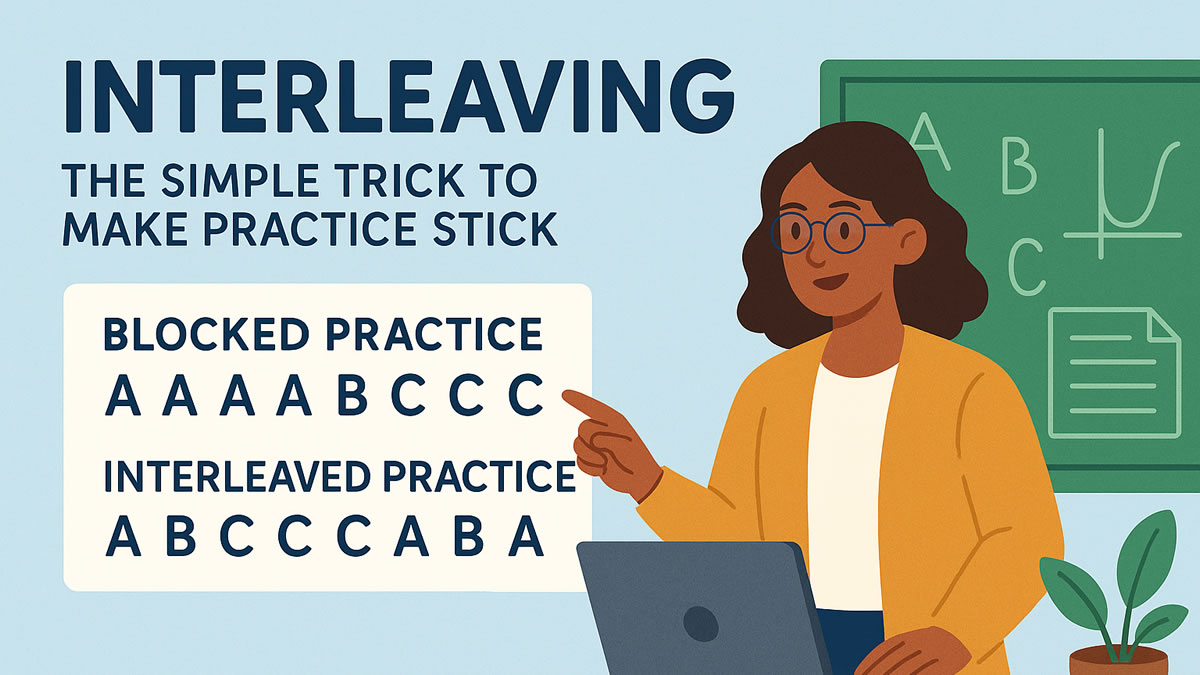
- Use interleaved games to mix old + new material
- Create short weekly review games instead of one big test
- Track improvement over time, not just correctness
Practical guidance from classroom game-based learning research shows that consistency and frequency matter more than length.
Want to see how your fall sessions can inform January? View your game analytics now or explore pricing options designed for teachers.
How BrainFusion Makes the Midyear Reset Easier
BrainFusion is designed for moments like this.
Teachers use it to:
- See question-level breakdowns from fall sessions
- Identify patterns across multiple games
- Mix content from different units into interleaved review
- Relaunch the same game formats with refreshed pacing
Research on teacher use of game-based learning emphasizes that insight — not new content — is what drives better instructional decisions.
And because students join with a simple code (no accounts), January routines stay smooth — even after time off.
Explore pricing plans designed for teachers, or create your first game free to see how question-level data transforms midyear planning.
🎯 January Planning Tip
One 10-minute review game per week often outperforms a single large review day. Consistency beats intensity.
Common Midyear Mistakes to Avoid
❌ Starting January as if it’s August
You already have data — use it.
❌ Over-reteaching everything
Focus on leverage points, not perfection.
❌ Saving review for “later”
Spiral review works best when it’s light, frequent, and planned.
❌ Only using grades to guide decisions
Grades show outcomes. Game data shows process.
A Better Way to Start January
The best January reset isn’t about new binders or new systems.
It’s about clarity.
- Clarity on what students know
- Clarity on where they struggle
- Clarity on what actually moves learning forward
Game-based data gives you that clarity — without adding to your workload.
Start January With Confidence
You don’t need more tools.
You need better insight from the tools you already use.
BrainFusion helps teachers turn everyday practice into clear, actionable data — and turn that data into better learning experiences.
Plan a Smarter January
Use AI-powered games and real-time insights to focus your instruction where it matters most.